
Our stores
Build your stack, book a piercing, or explore the collection in-store. Our teams offer expert guidance at every step from selecting pieces to styling your ear and mapping your next look.
 Vanilla Piercing & Jewellery
Popular searches
Featured products

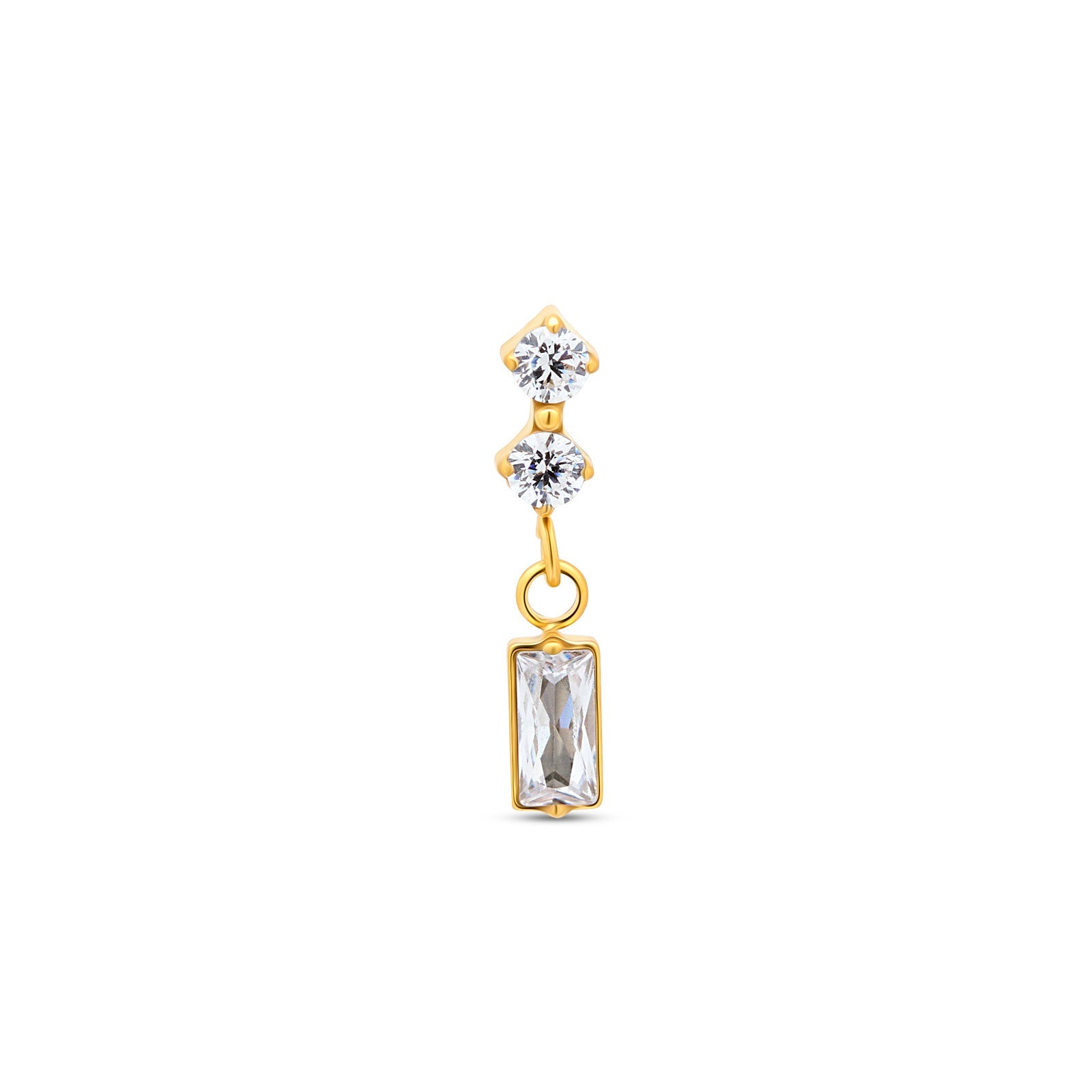
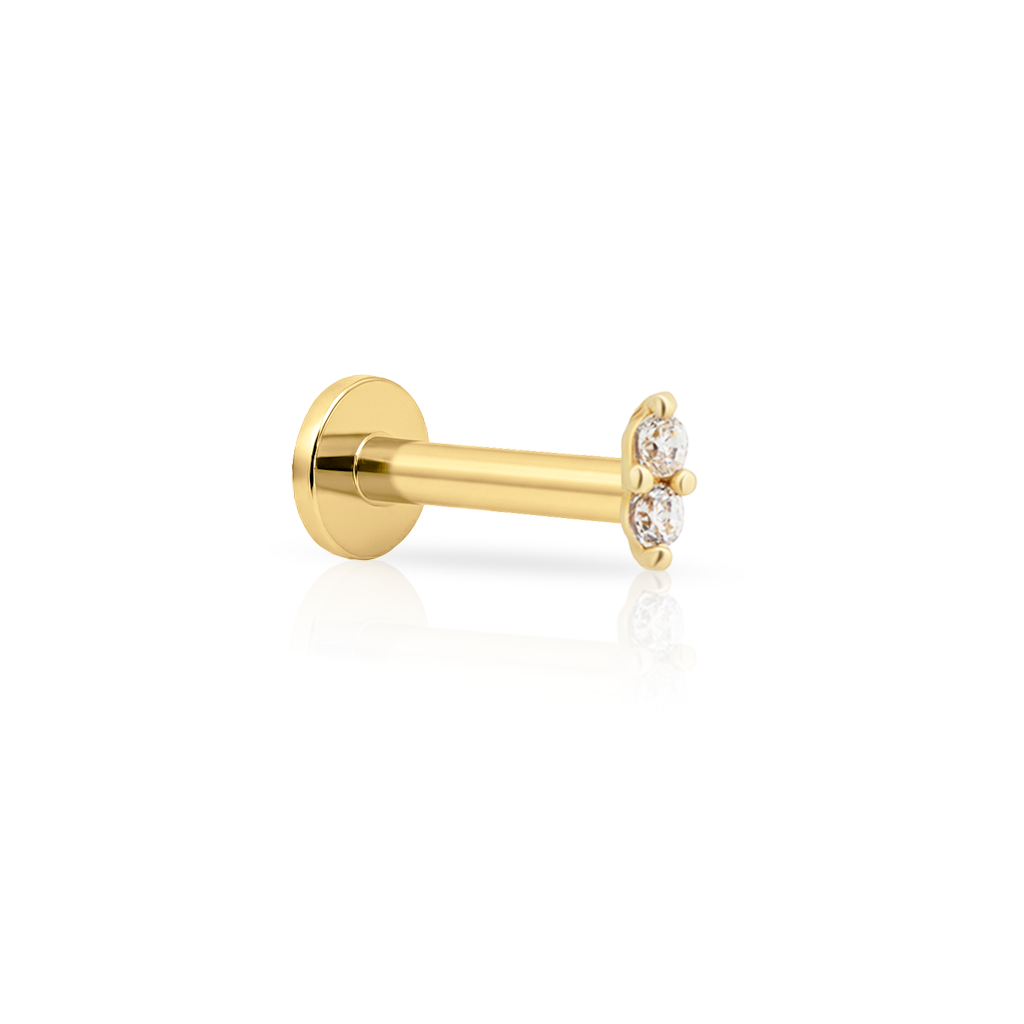
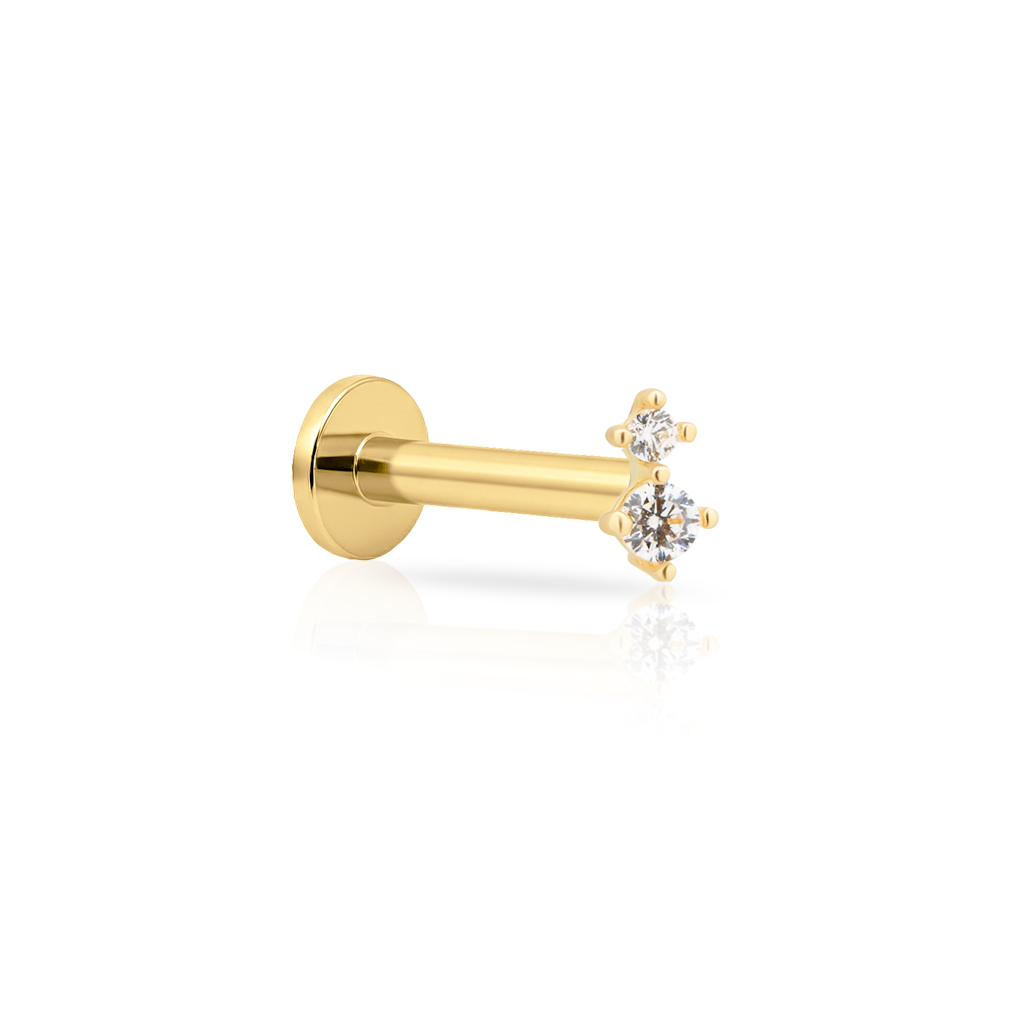
Getting a new piercing is exciting — but did you know that downsizing your jewelry is a crucial step in the healing process?
If you’ve ever wondered why your initial post feels longer than it needs to be, or why piercers recommend coming back for a shorter bar, this article is for you.
Let’s break down what downsizing is, when to do it, and why it seriously matters for your piercing’s long-term health and look.
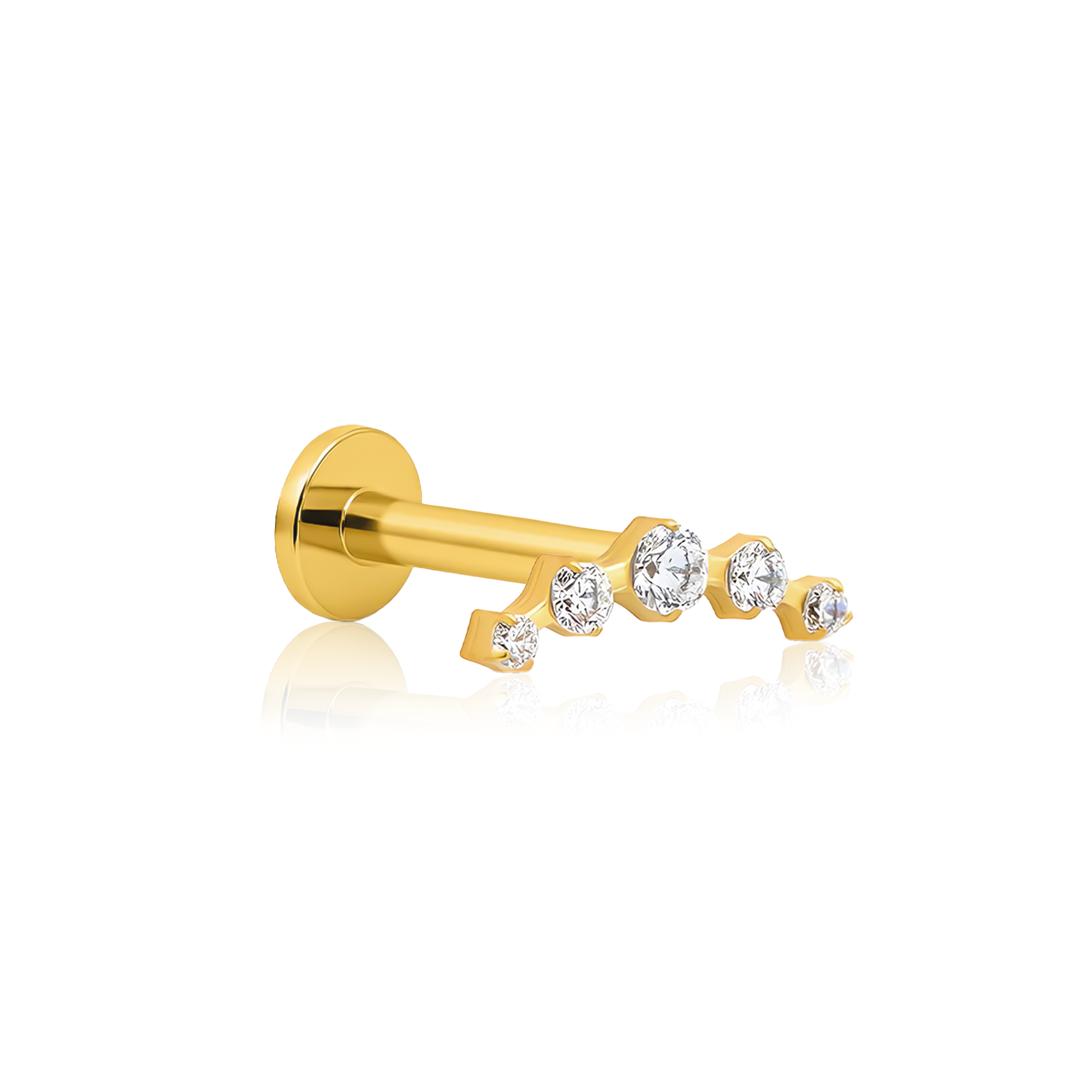
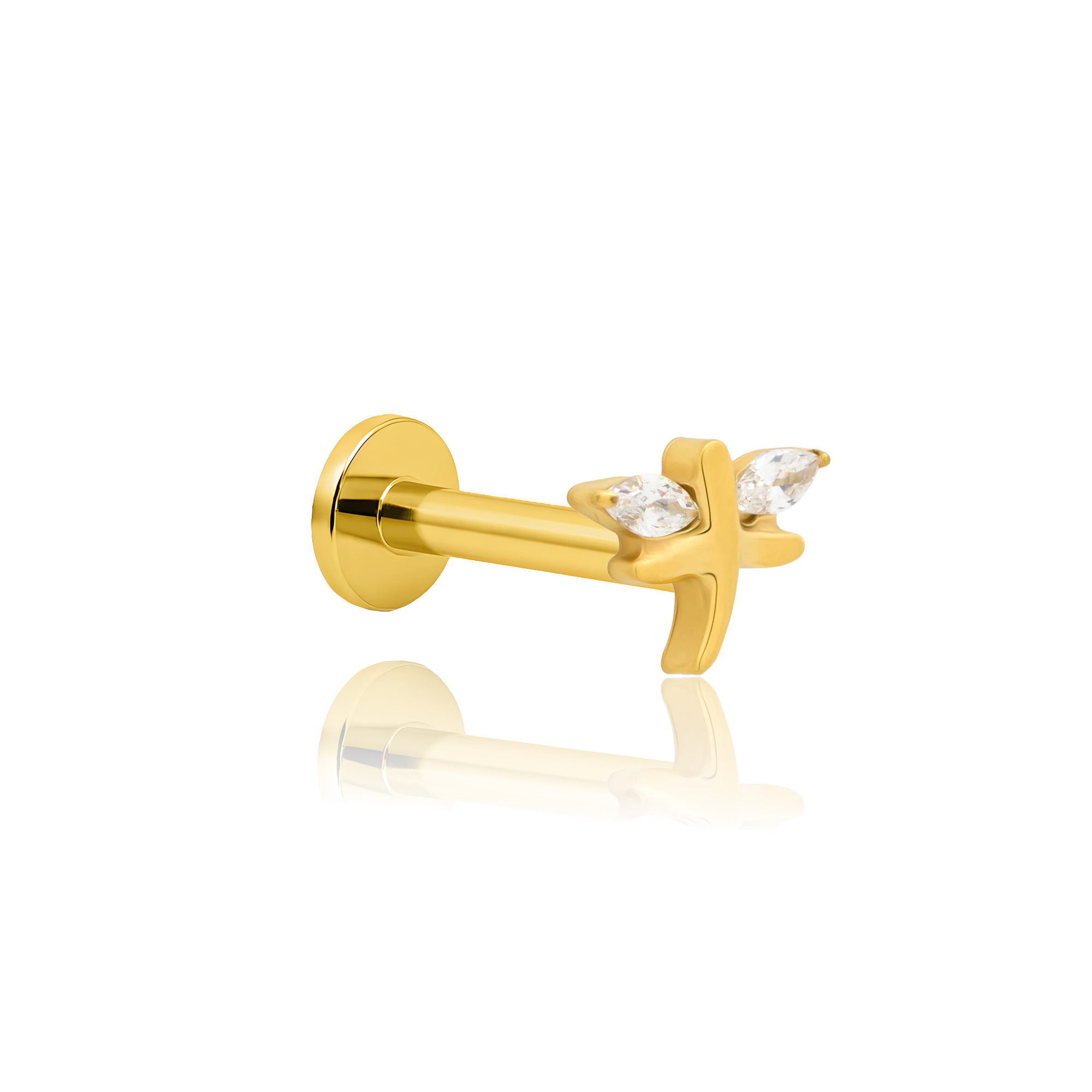
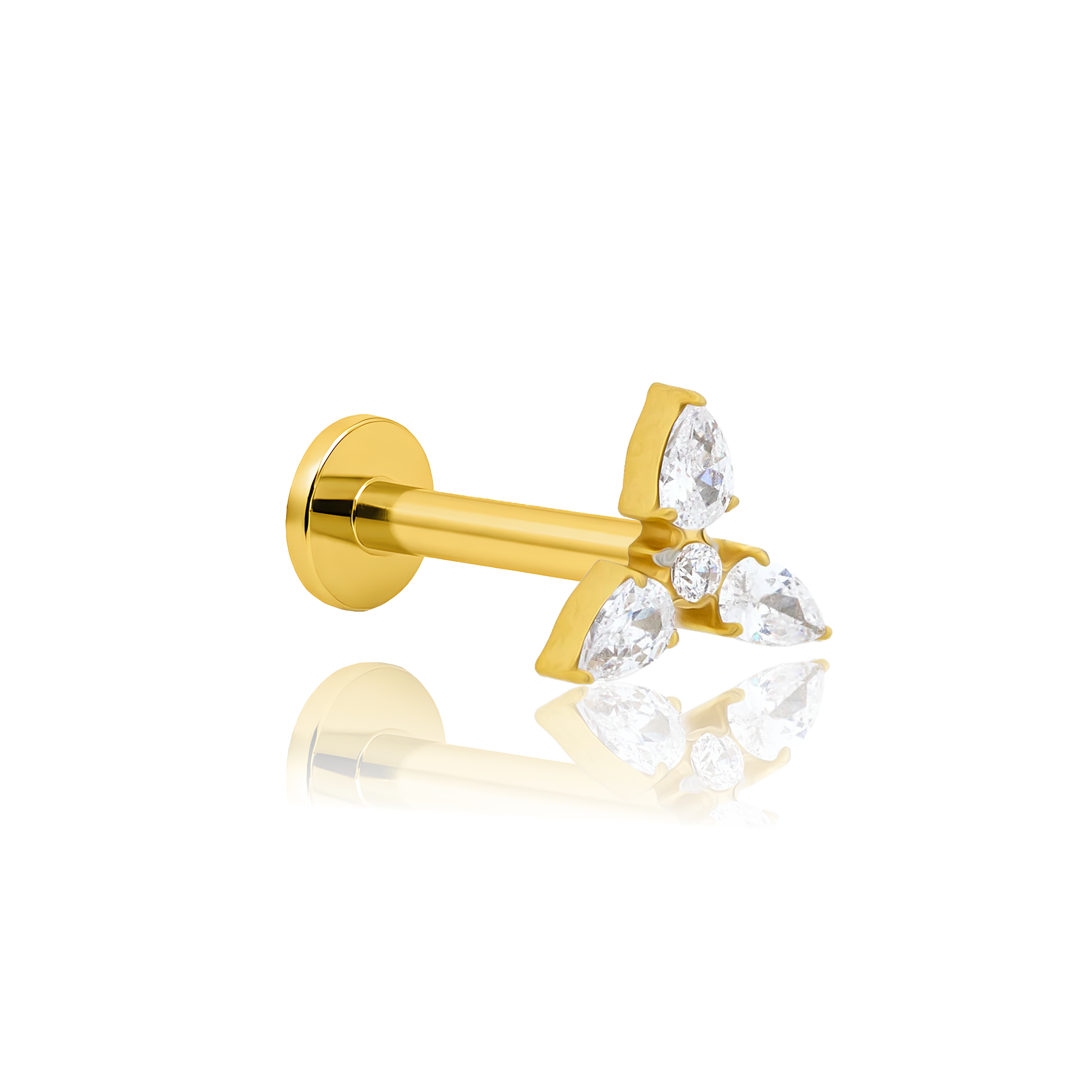
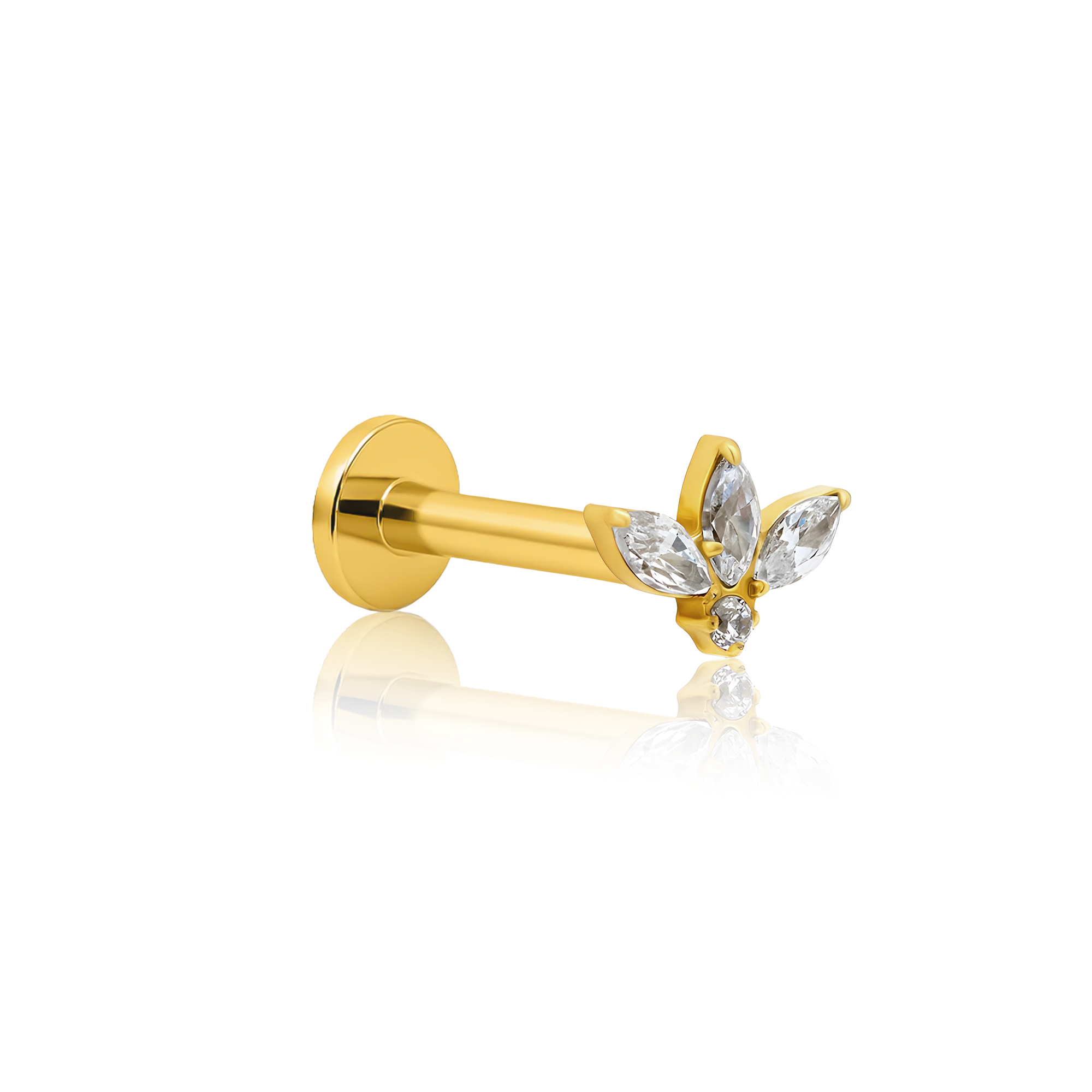
Downsizing is the process of switching your initial jewelry to a shorter post (or occasionally a smaller ring) after the first few weeks of healing. When you get pierced, your piercer uses a longer bar to allow room for initial swelling.
Once the swelling goes down — usually between 4 to 8 weeks — that bar becomes too long for everyday wear. That’s when it’s time to downsize.
Long bars can catch on clothing, hair, or masks — which causes unnecessary trauma to the piercing. Downsizing reduces the chance of bumps, irritation, or delayed healing.
Excessive movement from a long bar can cause irritation that leads to hypertrophic scarring (aka the dreaded bump). A snug fit helps keep your jewelry stable and your healing smooth.
Let’s be real — shorter jewelry just looks better. Once your piercing has settled, downsizing makes it look cleaner, more polished, and intentional.
Downsizing keeps pressure off the tissue and helps the piercing heal in the correct angle and depth, especially in areas like the helix or tragus.
Your piercer will usually recommend a follow-up appointment around 4–8 weeks after the initial piercing (depending on the location and how your body is healing). Signs you might be ready:
Swelling has gone down completely
The jewelry feels loose or wobbly
You're catching it more often than before
Important: Don’t downsize too early. Removing or changing jewelry before it's ready can disrupt healing. Always check with a professional first.
While most piercings benefit from downsizing, it’s especially important for:
Cartilage piercings (helix, tragus, conch, rook)
Lip piercings (labret, philtrum, vertical labret)
Eyebrow piercings
Navel piercings
Downsizing your jewelry isn’t just a recommendation — it’s an essential part of the healing journey. It helps protect your piercing, improves the way it looks, and sets you up for long-term success.
So if your piercer says it’s time to come back for a shorter bar, don’t skip it — your future self (and your piercing) will thank you.



Read more
Permanent Jewelry: The Sparkle That Stays With You Looking for jewelry that won’t fall off, tangle, or need to be taken off every night? Meet the latest trend in fine jewelry that’s here to stay — ...
Why Implant-Grade Metals Matter in Body Jewelry When it comes to body jewelry, the style is important — but what it’s made of matters even more. If you want your piercings to heal safely, stay heal...

By signing up, you agree with our privacy policy.
Leave a comment
This site is protected by hCaptcha and the hCaptcha Privacy Policy and Terms of Service apply.